

Digital Transformation in HR: A Complete Guide to Modernizing People Operations
What Is Digital Transformation in HR?
Definition and scope
Digital transformation HR isn’t just putting forms online. It’s a fundamental shift in how people operations create, deliver, and improve experiences for every employee. Think of it as rewiring the entire talent lifecycle with data, cloud, and AI at the core.
Difference between HR digitization and transformation
Digitization is a shortcut—scanning a paper file, moving a spreadsheet to the cloud. Transformation is a marathon: re‑thinking processes, redesigning roles, and building a technology stack that lets HR act as a strategic partner. One is a quick fix; the other reshapes the organization’s DNA.
Why HR Needs Digital Transformation
Business drivers
Speed matters. Companies that can onboard a new hire in 3 days instead of 3 weeks see a 12% boost in productivity. Data is king; a survey by Deloitte found 71% of HR leaders say analytics drive better decisions. And employees—especially Gen Z—expect seamless digital experiences, from self‑service portals to instant feedback loops.
Benefits
Efficiency jumps when repetitive tasks disappear. Imagine cutting admin hours by 30% with RPA— that’s roughly 1,200 hours saved for a 5,000‑employee firm each year. Engagement climbs as people get real‑time insights into their development. And strategic insight? With predictive analytics, you can spot turnover risks before they happen, turning a costly surprise into a proactive plan.
Key Technologies Shaping Modern HR
AI and machine learning for talent analytics
AI scans resumes in seconds, scores candidates against cultural fit, and even predicts which employee might be ready for promotion. Companies using AI‑driven talent analytics report a 22% reduction in time‑to‑fill critical roles.
Cloud based HCM platforms
Cloud HCM unifies payroll, benefits, and performance in one place. The SaaS model means updates roll out automatically—no more yearly upgrade headaches. Leading platforms now support over 100 integrations, from recruiting systems to finance ERP.
Automation and robotic process automation
RPA bots handle routine tasks like background checks, benefits enrollment, and compliance reporting. One Fortune 500 firm saved $4.5 million in the first year by automating just five core processes.
People analytics dashboards
Dynamic dashboards let you slice data by department, location, or tenure. You can watch turnover trends in real time, see the impact of training programs, and even benchmark against industry averages.
Step by Step Transformation Roadmap
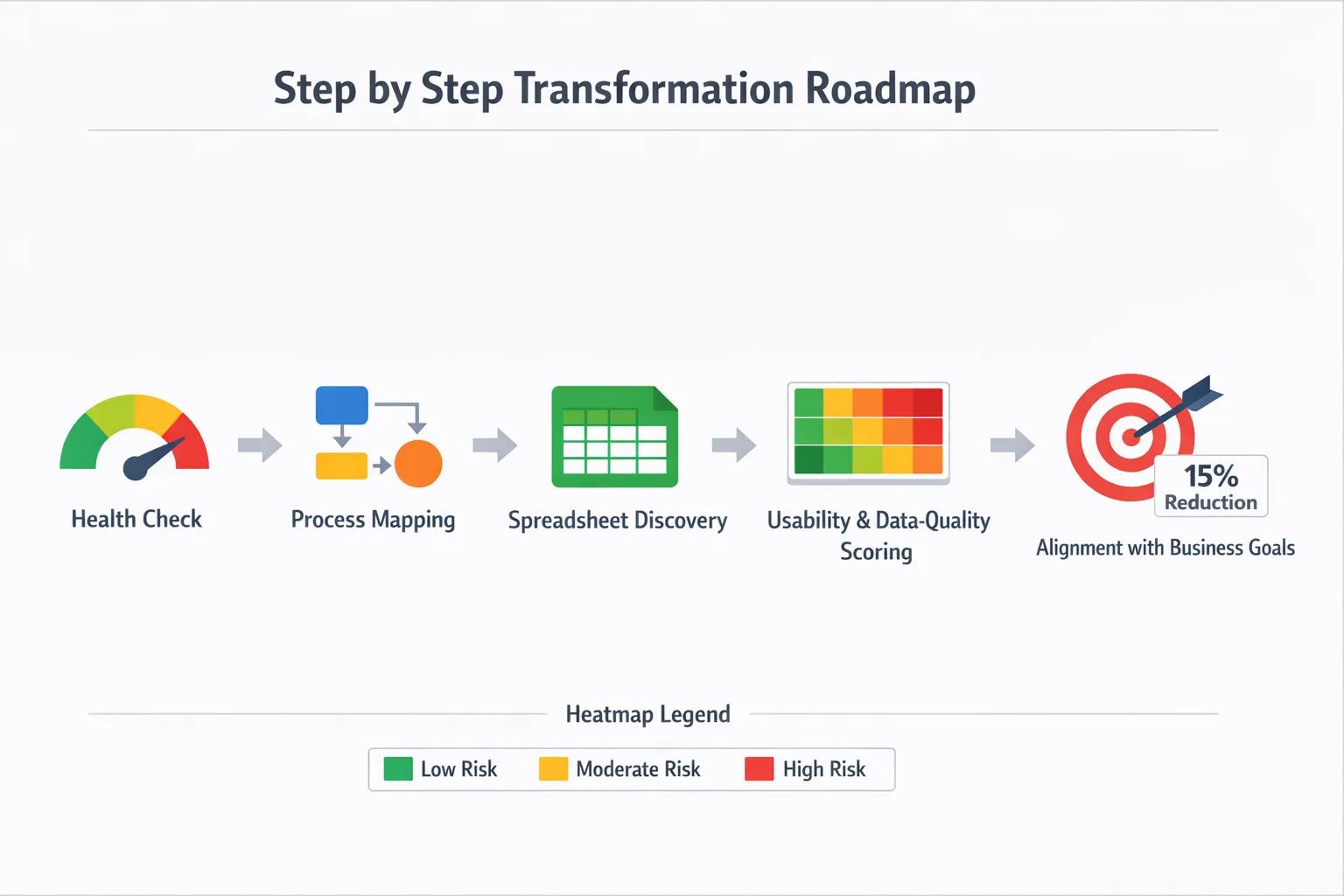
1. Assess current state and legacy systems
Start with a health check. Map every HR process, note where spreadsheets live, and score each system on usability and data quality. In my experience, a simple heat map uncovers hidden bottlenecks you didn’t even know existed.
2. Define a clear HR digital strategy
Align the roadmap with business goals. If your CEO wants a 15% reduction in hiring costs, make that a KPI. Write a one‑page vision that speaks to CEOs, CHROs, and the people on the ground.
3. Choose the right technology stack
Don’t chase every shiny tool. Prioritize platforms that integrate easily with your existing HRIS and payroll. Look for open APIs, strong security certifications, and a vendor roadmap that matches your five‑year plan.
4. Pilot, iterate, and scale
Pick a single department—maybe recruiting—to run a pilot. Measure outcomes, gather feedback, and tweak. Then roll out in waves. This incremental approach slashes risk and builds confidence.
5. Change management and culture shift
People resist change, especially when they fear their jobs will be replaced. Use the ADKAR model: create Awareness, Desire, Knowledge, Ability, and Reinforcement. Celebrate quick wins—a faster onboarding experience, for example—to keep momentum high.
Overcoming Common Challenges
Data privacy and security concerns
HR data is the most sensitive asset a company holds. Ensure any solution is GDPR and CCPA compliant, encrypts data at rest and in transit, and supports role‑based access. Conduct quarterly security audits—it’s not just a tech issue, it’s a trust issue.
Integration with legacy HRIS
Older systems rarely speak the same language as modern clouds. Middleware platforms or iPaaS tools can bridge the gap, but you’ll need a clear data mapping strategy to avoid duplicate records.
Skill gaps and change resistance
Even the best tools flop without skilled users. Offer micro‑learning modules, buddy systems, and a dedicated help desk. And remember: champions across the org—HR business partners, IT, even line managers—can accelerate adoption.
Measuring ROI and Success Metrics
KPI examples
Track concrete numbers: time‑to‑hire (aim for under 30 days), employee NPS (target +30), cost per hire (reduce by 20%), and HR admin hours saved (goal: 1,200 hours annually). These metrics turn vague benefits into hard‑won business cases.
Building an analytics framework
Start with data collection, then layer in analysis and visualization. Use a central data lake to pull in ATS, HCM, and payroll feeds. Apply benchmarks and set quarterly targets. The result? A living dashboard that tells you whether your digital transformation is paying off.
Real World Case Studies
- TechCo swapped a manual onboarding checklist for an AI‑driven portal. New‑hire productivity rose 18% and paperwork time dropped from 8 hours to 45 minutes.
- HealthFirst implemented a cloud‑based HCM platform to unify benefits across 12 locations. Employee satisfaction with benefits jumped from 62% to 84% in one year.
- RetailHub used RPA to automate background checks, slashing cost per hire by $350 and cutting time‑to‑hire for seasonal staff from 10 days to 4.
Future Trends in HR Digital Transformation
Predictive people analytics
Next‑gen analytics will forecast turnover, identify high‑potential talent, and even suggest personalized learning paths before gaps appear. Early adopters are already seeing a 15% drop in voluntary attrition.
Employee experience platforms powered by AI
Imagine a chat‑bot that answers benefits questions, suggests development courses, and nudges you to complete pulse surveys—all in one seamless interface. That’s the direction HR tech innovation is heading.
Sustainable HR tech ecosystems
Companies are now evaluating vendors on carbon footprints and data‑center efficiency. A sustainable ecosystem not only reduces costs but also aligns with ESG goals, resonating with today’s workforce.
Frequently Asked Questions
How to start with a limited budget?
Prioritize high‑impact, low‑cost tools like cloud‑based recruiting systems or open‑source analytics. Start small, prove ROI, then reinvest the savings into bigger initiatives.
What role does the CHRO play?
The CHRO becomes the chief transformation officer for people. They champion the vision, secure funding, and ensure alignment between talent strategy and overall business goals.
How to ensure employee data ethics?
Adopt transparent policies, give employees control over their data, and perform regular bias audits on AI models. Ethics isn’t a checkbox; it’s an ongoing conversation.
And there you have it—a full‑fledged guide that walks you from the basics of digital transformation HR to the cutting‑edge trends reshaping the field. By defining a strategy, choosing the right tech, and measuring results, you’ll turn your people operations into a competitive advantage. Ready to start? The future of work won’t wait.

