

High Volume Hiring: Complete Guide to Streamline Mass Recruitment
What Is High Volume Hiring
When you need to bring dozens, hundreds, or even thousands of people through the door in weeks, you’re talking high volume hiring. It’s not just a buzzword; it’s a whole recruitment engine built for speed, scale, and consistency.
Definition and Synonyms
In plain English, high volume hiring—sometimes called bulk hiring or mass recruitment—means filling a large number of open slots in a condensed timeframe. Think of a retail chain loading up for the holidays or a gig platform onboarding a fresh crew of drivers.
Why It Matters in Today’s Talent Market
Talent is tighter than ever, yet demand can explode overnight. Companies that can pivot their hiring gears without losing quality stay ahead of the competition. And if you’re the HR leader who can pull that off, you instantly become the hero of the boardroom.
When to Turn to High Volume Hiring
Not every hiring need requires a massive effort. Spot the signals, and you’ll know exactly when to fire up the high‑volume engine.
Seasonal spikes and rapid growth
Retailers, hospitality venues, and fulfillment centers all see predictable surges. A 30‑percent spike in foot traffic? That’s a cue to start bulk hiring at least 8 weeks out.
Regulatory or contract driven surges
Government contracts or large‑scale projects often come with staffing mandates. Miss the deadline, and you could face penalties—so timing is everything.
Core Challenges in High Volume Hiring
Scaling fast is a double‑edged sword. Below are the hurdles that trip up even seasoned recruiters.
Scaling interview processes
Imagine 500 candidates showing up for the same interview slot. Without a plan, you’ll drown in calendars. The key is to break the process into repeatable, bite‑size steps.
Keeping quality and compliance intact
Speed shouldn’t sacrifice standards. Regulations like EEOC or GDPR still apply, and you need audit‑ready records for every applicant.
Candidate experience pitfalls
Ghosting a candidate after a phone screen? That’s a nightmare that spreads quickly on social media. A poor experience can tarnish your employer brand for months.
Data overload and reporting gaps
When you’re pulling data from multiple ATS, spreadsheets, and interview notes, it’s easy to lose sight of key metrics. That’s why many companies end up with fragmented reports that don’t drive action.
Automation Strategies That Actually Work
Automation isn’t a magic wand, but it can shave hours off each hiring step. Here’s how the smartest teams are using it.
AI driven resume screening
Natural‑language models can filter out unqualified applications in seconds. In a recent pilot, a retailer reduced manual screening time by 78 % while maintaining a 92 % pass‑rate for qualified candidates.
Automated interview scheduling
Integration with calendar APIs means candidates pick a slot that syncs with interviewer availability—no back‑and‑forth emails. Some businesses report a 45 % drop in time‑to‑schedule.
Chatbot pre screening and nurturing
Chatbots ask the right qualifying questions, answer FAQs, and keep candidates in the loop. A grocery chain saw its candidate drop‑off rate halve after adding a bot to the application flow.
Workflow orchestration and analytics dashboards
Orchestrators route candidates automatically from screen to assessment to offer, while dashboards surface bottlenecks in real time. This visibility is a game‑changer for managers sprinting toward hiring goals.
Measuring ROI of Hiring Automation
If you can’t prove the dollars saved, the budget won’t stick. Let’s break down the numbers.
Cost per hire vs time savings
Traditional high‑volume hiring can cost $3,600 per hire. By automating resume screening and interview scheduling, you can shave $1,200 off that figure while cutting time‑to‑fill by 30 days.
Calculating the break‑even point
Assume a $15,000 investment in a hiring automation suite and a $1,200 saving per hire. After just 13 hires, you’ve recouped the spend. Scale to 500 hires, and you’re looking at a $600 k net gain.
Real numbers from recent projects
A tech startup rolled out a workflow engine across three divisions. Within two months, they reported a 22 % reduction in recruiter workload and a 15 % boost in quality of hire scores.
Boosting Candidate Experience at Scale
Even when you’re moving fast, people still want to feel respected.
Transparent communication channels
Send status updates at each stage. A simple “Your interview is scheduled for X” email reduces uncertainty and improves candidate NPS by up to 12 points.
Feedback loops and candidate NPS
Ask candidates for quick feedback after each interaction. Aggregate the data, spot trends, and tweak the process before the next wave of applicants arrives.
Personalization without the manual grind
Dynamic email templates pull in the candidate’s name, role, and interviewer’s photo. It feels personal, but the recruiter doesn’t have to type each line.
Diversity, Equity and Inclusion in Mass Recruitment
High volume doesn’t have to mean one‑size‑fits‑all. Embedding DEI early saves headaches later.
Bias‑free screening methods
Anonymous resume parsing removes names, schools, and addresses before the AI scores a candidate. Companies that adopt this see a 17 % increase in diverse hires.
Inclusive job outreach tactics
Post openings on niche job boards, community sites, and veteran networks. A retail chain that added two new posting sources lifted its underrepresented applicant pool by 23 %.
Tracking DEI metrics in bulk hiring
Set targets for each stage—application, screen, interview, offer. Dashboard widgets let you watch gender and ethnicity ratios in real time, so you can intervene before bias creeps in.
Choosing the Right Recruitment Software
Not all ATS are built for mass recruitment. Here’s how to separate the wheat from the chaff.
Bulk features you can’t ignore
Look for bulk import, mass email, and batch offer generation. Tools like Oleeo and Fountain let you upload thousands of candidates with a single click.
Dedicated platforms vs general ATS
A dedicated high‑volume platform often includes built‑in scheduling and compliance modules, while a general ATS may require add‑ons that add complexity and cost.
Integrations that matter
Seamless sync with your HRIS, background‑check providers, and learning management system ensures a smooth handoff from candidate to new hire.
ROI measurement and KPI tools
Choose software that surfaces time‑to‑fill, cost‑per‑hire, and quality of hire in a single view. The best solutions let you export data to Excel for deeper analysis.
Real‑World Case Studies
Stories speak louder than theory. These three examples illustrate how the pieces fit together.
Retail chain hires 5,000 seasonal staff in eight weeks
The chain used a bulk hiring platform with automated screening, chatbot outreach, and a centralized scheduling board. They filled every slot two days ahead of schedule and cut hiring costs by 28 % compared to the previous year.
Tech startup scales engineering hires 300 percent in three months
By integrating AI‑driven resume parsing with a custom workflow, the startup went from 15 to 60 engineers without adding any extra recruiters. Their quality‑of‑hire metric rose from 78 % to 86 %.
Government contract expands workforce with compliance focus
The agency needed to onboard 1,200 workers while meeting strict audit requirements. Using a compliance‑centric ATS, they captured every document at the point of entry, resulting in zero audit findings.
Step‑by‑Step Checklist to Build Your Engine
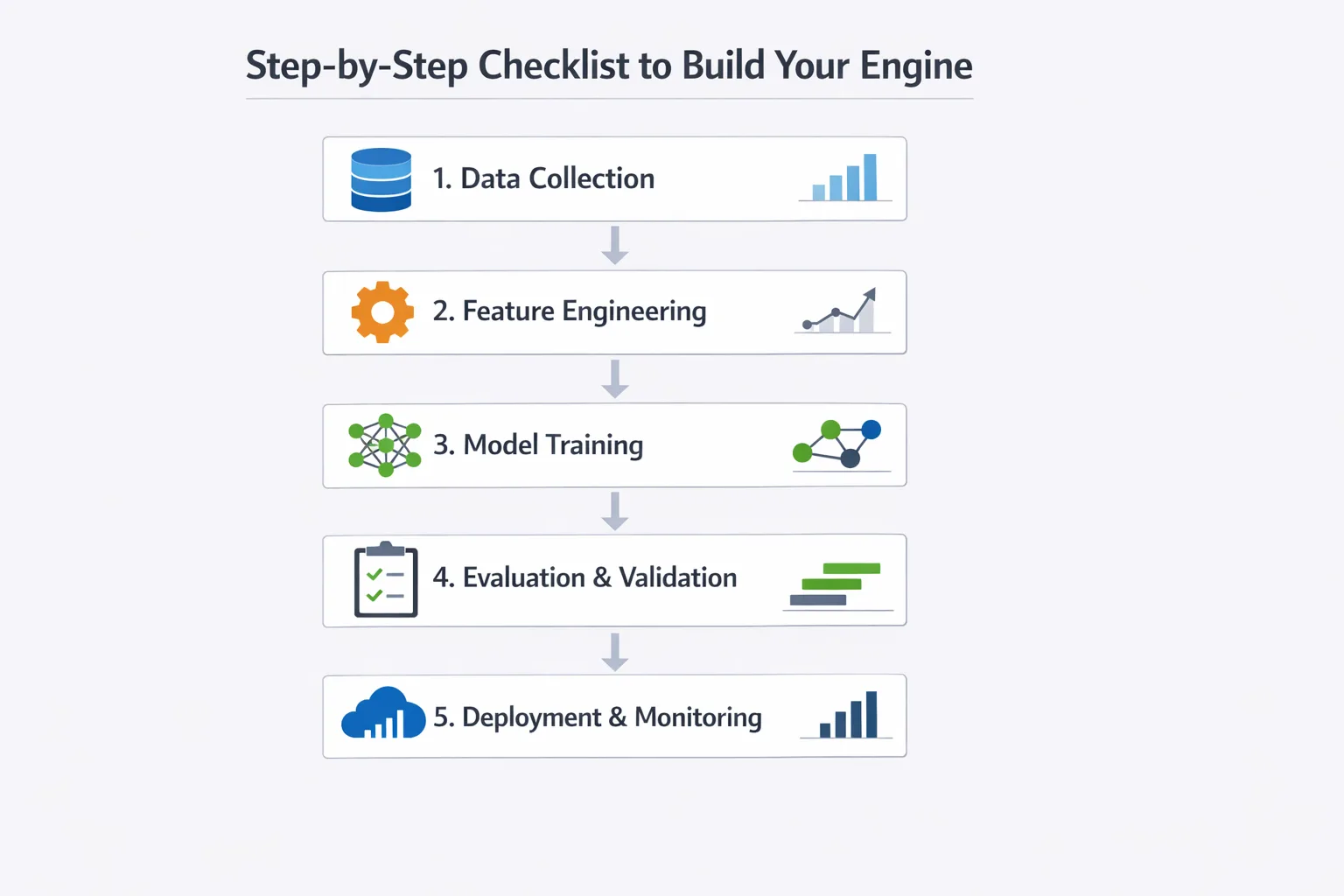
- Define the hiring window – set start and end dates, volume targets, and critical roles.
- Map the end‑to‑end process – break down screening, assessment, interview, and offer steps.
- Select automation tools – prioritize AI screening, scheduling bots, and workflow orchestration.
- Integrate with HRIS – ensure data flows from candidate to employee records without manual entry.
- Set DEI guardrails – embed blind screening and diverse sourcing sources from day one.
- Launch a pilot – run a small batch, measure ROI, and tweak before full rollout.
- Monitor metrics daily – track time‑to‑fill, cost‑per‑hire, candidate NPS, and DEI ratios.
- Iterate and scale – use dashboard insights to remove bottlenecks and repeat the cycle.
Future Trends to Keep an Eye On
The landscape evolves fast, and staying ahead means watching the horizon.
Predictive hiring models
Machine‑learning models now predict which applicants will stay beyond six months, letting you prioritize long‑term talent over quick fills.
Scaling DEI initiatives
Next‑gen platforms will flag diversity gaps in real time, automatically adjusting job ad language and outreach channels to balance the applicant pool.
Wrapping Up
High volume hiring isn’t a wild sprint; it’s a disciplined marathon powered by smart automation, solid data, and a genuine respect for every candidate. If you follow the checklist, invest in the right recruitment software, and keep an eye on ROI and DEI metrics, you’ll turn hiring chaos into a predictable, cost‑effective engine. Ready to level up your talent acquisition? The tools are waiting, the data is waiting, and the candidates are waiting—so why wait any longer?
Frequently Asked Questions
What are the most effective AI tools for automating resume screening in high‑volume hiring?
AI platforms like HireVue, Pymetrics, and Eightfold can parse and rank thousands of resumes in minutes, using natural‑language processing to match skills, experience, and cultural fit. They also reduce bias by applying consistent evaluation criteria across all candidates.
How can I maintain a positive candidate experience when recruiting for hundreds of roles simultaneously?
Use a centralized applicant portal that provides real‑time status updates, automated interview scheduling, and personalized communication templates. Adding chatbots for FAQs and quick feedback loops keeps candidates informed and engaged throughout the process.
What compliance checkpoints should be built into a mass recruitment workflow?
Incorporate EEO‑AA reporting, data‑privacy consent forms, and automated audit trails for every screening decision. Regularly review job‑posting language and interview questions to ensure they meet local labor‑law requirements.
Which key metrics should I track to evaluate the success of a high‑volume hiring campaign?
Monitor time‑to‑fill, source‑of‑hire conversion rates, candidate‑drop‑off percentages at each stage, and quality‑of‑hire indicators such as 90‑day retention. Dashboards that combine these metrics help identify bottlenecks quickly.
How can I balance speed and quality when scaling interview processes for mass hiring?
Implement structured interview kits with standardized scorecards and use group or panel interviews for early screening. Follow up promising candidates with deeper, role‑specific assessments to ensure competence without sacrificing velocity.

