
Hospital Networks Hiring: A Complete Guide to Finding Jobs and Streamlining Talent Acquisition
Introduction to Hospital Networks Hiring
Looking for a role in a sprawling health system? Hospital networks hiring means you’re eyeing more than a single bedside – you’re joining a multi‑site ecosystem that moves patients, data, and careers at speed. I’ve walked the halls of a 12‑hospital network, and I know the rhythm.
Why Hospital Networks Need Specialized Talent Acquisition
Multi‑location staffing challenges
One facility can’t dictate hiring for another. With 25 clinics spread across three states, a nurse may be needed in Kuala Lumpur tomorrow but in Penang the week after. That’s why multi location healthcare hiring demands a coordinated plan.
Compliance and credentialing requirements
Every state regulator has its own checklist. A physician’s license must match the site’s jurisdiction, and background checks run through a hospital HR portal before the badge arrives.
Common Roles Across Hospital Networks
Clinical positions
- Registered Nurse – bedside care, patient education, shift rotations
- Physician – specialty practice, tele‑consults, research
- Medical Technician – lab work, imaging, equipment maintenance
Administrative & support roles
- HR Business Partner – employee relations, recruitment strategy
- IT Systems Analyst – EMR support, cyber‑security
- Finance Officer – budgeting, cost analysis
Where to Find Hospital Network Jobs
Company career sites
Big players like KPJ and IHH host dedicated portals. I’ve bookmarked their pages; they update daily.
Job boards & specialized portals
Sites such as JobStreet and Indeed filter by “hospital network” so you skip unrelated listings.
Recruiters and staffing agencies
Specialist firms know the exact credential mix hospitals demand – they can fast‑track your application.
Applicant Tips for Success
Crafting a healthcare‑focused resume
Start with a headline: “Critical Care RN with 5 years in multi‑site environments.” Use bullet points that show patient outcomes, not just duties.
Highlighting certifications and licenses
List your BLS, ACLS, and any state‑specific permits right under the summary. Recruiters love to see them at a glance.
Preparing for competency‑based interviews
Answer with the STAR method. Example: “When a sudden surge hit our ER, I coordinated staff across three campuses, cutting wait times by 22 %.”
Best Practices for Hospital Hiring Teams
Streamlining the recruitment workflow
Map each step from requisition to offer. A simple checklist reduces bottlenecks and keeps the hiring manager in the loop.
Leveraging ATS and analytics
Our hospital talent acquisition team uses an ATS such as SmartHire™ that flags candidates with expired licenses, so we never waste time.
Ensuring hiring compliance
Run every applicant through a credentialing matrix. It covers licensing, background checks, and immunization records.
Emerging Trends in Hospital Hiring
Telehealth and remote clinical roles
Virtual consults have created new “remote RN” positions – perfect for candidates who prefer flexibility.
AI‑driven talent sourcing
Tools such as SmartScreen™ scan resumes for keywords like “PACS” or “SNF” and rank candidates accordingly.
Salary & Compensation Benchmarks
According to 2024 data, a bedside nurse in a network earns RM 4,800‑5,500 per month, while an IT analyst pulls RM 7,200‑8,500. Knowing these numbers helps you negotiate with confidence.
Step‑by‑step Interview Preparation Guide
- Research the network’s mission and recent expansions.
- Practice answers that tie your experience to multi‑site teamwork.
- Prepare questions about onboarding, mentorship, and career pathways.
Compliance Checklist for Hospital Hiring
- Verify state license validity.
- Run criminal background and health screenings.
- Confirm immunization records (COVID‑19, Hep B, TB).
- Document all credential checks in the ATS.
Frequently Asked Questions
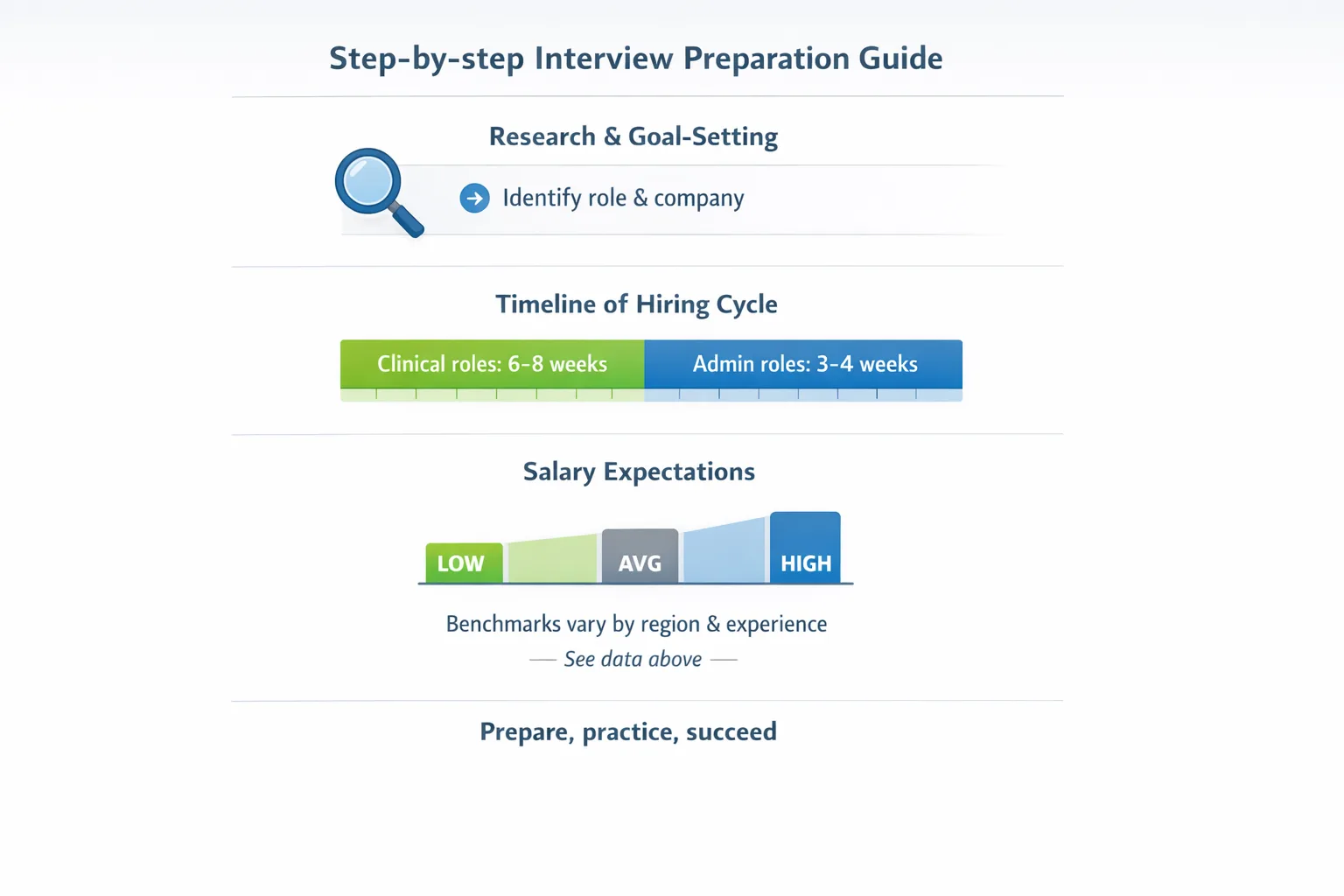
How long does a typical hiring cycle take? Clinical roles average 6‑8 weeks; admin roles close in 3‑4 weeks.
What salary can I expect? See the benchmarks above – they vary by region and experience.
When does onboarding begin? Most networks start paperwork two weeks before the start date, with a one‑day orientation at the flagship hospital.
Now you’ve got the map, the tools, and the insider tips. Whether you’re a job seeker hunting for that perfect spot or an HR pro fine‑tuning your process, remember: clarity, compliance, and a dash of ambition will get you through the maze of hospital networks hiring. Good luck, and see you on the front line!
Frequently Asked Questions
What are the best online resources to locate job openings across multiple hospitals in a network?
Start with the health system’s central career portal, which aggregates listings from all affiliated facilities. Supplement this by checking major healthcare job boards, professional association sites, and local hospital websites for additional postings.
Which credentials are essential for clinical positions like nurses or physicians when applying to a hospital network?
Applicants must hold a current state license, relevant board certification, and meet any specialty-specific requirements. Most networks also require proof of up-to-date immunizations, background checks, and sometimes a credentialing interview.
How do hospital networks verify compliance and credentialing during the hiring process?
They use a centralized applicant tracking system that cross‑checks licenses, certifications, and malpractice history with state databases. Additional checks include drug testing, reference verification, and adherence to Joint Commission standards.
What recruitment tactics help hospitals fill staff at multiple locations efficiently?
Employing a unified applicant tracking system, leveraging regional recruiters, and standardizing job descriptions enable consistency. Virtual interview platforms and targeted social media ads also accelerate outreach across dispersed sites.
What is the typical timeline from application to hire for a nursing role in a large hospital network?
The process usually takes 4–8 weeks, involving resume screening, virtual interviews, credential verification, and final onboarding paperwork. Times can vary based on specialty demand and the urgency of the open position.

